

Car Got Hail Damage? What It Could Mean for Your Roof Hail Damage Insurance Claim
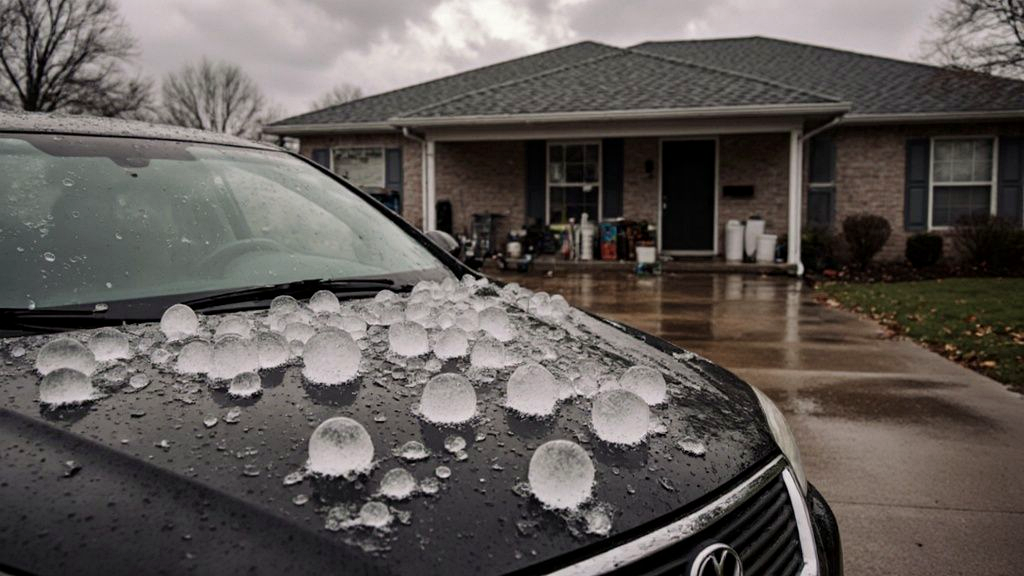
If hail was strong enough to dent your car, your roof may have taken damage too. That does not guarantee a covered roof hail damage insurance claim, but it is a clear reason to schedule an inspection before small damage turns into leaks or claim problems. Car dents, cracked trim, or a damaged windshield are easy to spot; roof damage is not always that obvious from the ground.
Roof hail damage is different.
You may not see bruised shingles, cracked mats, dented vents, damaged flashing, or granule loss from the driveway. That is why many homeowners only discover roof hail damage months later, after a water stain shows up on the ceiling. By then, proving a roof hail damage insurance claim can be harder.
This guide explains what car hail damage can tell you about your roof, how a roof hail damage insurance claim works, and what Mississippi homeowners should check before calling their insurance company.
Car Hail Damage and Roof Damage Are Separate Insurance Issues
Hail damage to your car is usually handled by comprehensive auto insurance, while roof hail damage usually falls under your homeowners insurance policy. These are separate policies, so homeowners insurance usually will not fix your car, and auto insurance will not pay for your roof. But if your car was damaged outside, your roof, gutters, vents, siding, skylights, and flashing were exposed to the same storm.
Here is the practical way to think about it:
| Damage Type | Usually Handled By | What to Check |
|---|---|---|
| Dents on vehicle panels | Comprehensive auto insurance | Auto deductible and repair estimate |
| Cracked windshield from hail | Auto glass or comprehensive coverage | Glass deductible, if applicable |
| Bruised or cracked shingles | Homeowners insurance | Roof inspection and documentation |
| Dented gutters or vents | Homeowners insurance | Photos, inspection notes, adjuster review |
| Interior ceiling leak after hail | Homeowners insurance | Cause, timing, and mitigation steps |
A roof hail damage insurance claim is not about proving your car was dented. It is about proving the roof has storm-related damage covered by your policy. The car damage is only a warning sign.
Why Car Dents Are a Red Flag for Roof Hail Damage
A dented car does not guarantee roof damage, and anyone who says it does is overselling. Still, ignoring your roof after hail dents your vehicle is careless because the roof took the same storm and protects everything inside your home. The National Weather Service treats 1-inch hail, roughly quarter-sized, as severe, and larger wind-driven hail can damage shingles, vents, gutters, siding, and other roof components.
Not every roof hit by hail needs replacement. Roof age, shingle type, pitch, installation quality, storm direction, and hail density all affect how much damage occurs. But if your car has visible hail dents, do not trust a quick ground-level glance and assume your roof is fine.
Hail can damage roofing in ways that are easy to miss:
- Bruised asphalt shingles
- Cracked shingle mats
- Missing protective granules
- Exposed fiberglass
- Dented ridge vents
- Damaged pipe boots
- Bent flashing
- Dented gutters and downspouts
- Splatter marks on siding or fences
- Loose or lifted shingles from storm winds
The biggest risk is finding the damage too late. A hail-damaged shingle may not leak right away, but it can lose granules, age faster, and fail months after the storm. If you file a roof hail damage insurance claim later, documentation helps prove the damage came from that specific hail event.
How a Roof Hail Damage Insurance Claim Usually Starts

A roof hail damage insurance claim should start with evidence, not panic. Calling your insurance company before confirming roof damage can create a claim record for damage that may be minor, cosmetic, below your deductible, or unrelated. Inspect first, then decide if filing makes sense.
For homeowners in Southern Mississippi, the process usually looks like this:
- You notice hail damage around your property.
- You check obvious signs from the ground, such as gutters, vents, siding, and roof debris.
- You schedule a professional roof inspection.
- The contractor documents visible storm damage.
- You review whether the damage may justify a homeowners insurance claim.
- You contact your insurance company if the evidence supports filing.
- The adjuster inspects the property.
- The contractor and adjuster compare findings.
- The claim is approved, adjusted, denied, or partially covered.
- Repairs or replacements are completed based on the approved scope.
Do not guess, and do not let a contractor push you into a roof hail damage insurance claim before they inspect the roof. A good contractor should document the damage, explain whether it appears storm-related, and help you understand whether filing a claim or planning a residential roof replacement makes sense. If we find hail damage during an inspection, the next step should be clear documentation, not a rushed sales pitch.
What Insurance Adjusters Look For on Hail-Damaged Roofs

Insurance adjusters are not looking for proof that hail happened nearby; they are looking for covered roof damage. A roof hail damage insurance claim usually depends on whether the storm caused functional damage to the roofing system. Cosmetic marks alone may not be enough, depending on your policy, carrier, roof material, and exclusions.
Common evidence may include:
- Consistent hail impact marks across roof slopes
- Damage to soft metals, such as vents, flashing, gutters, and downspouts
- Bruising on shingles
- Mat fractures
- Granule displacement at impact points
- Collateral damage around the property
- Storm date documentation
- Interior leaks connected to roof damage
- Photos showing damage before emergency repairs
- Contractor inspection notes
Adjusters also check whether the roof was already worn out. If the roof is old, brittle, poorly installed, or already leaking, the insurer may blame wear and tear instead of hail. Older roofs can still have valid claims, but documentation is what separates storm damage from normal aging.
Do Not Wait Until the Leak Shows Up
Waiting until water gets inside is one of the worst moves a homeowner can make. A roof hail damage insurance claim is easier to support when the storm date is fresh, photos are clear, and the damage can still be tied to that specific event. If you wait months, the insurer may question whether the damage came from hail, wear and tear, poor maintenance, or something else.
If hail damaged your car, gutters, or outdoor property, get the roof checked soon. You do not need to file a claim right away, but you do need to know whether the roof has damage. If the roof has significant storm damage, the inspection gives you documentation to support a roof hail damage insurance claim.
And if roof damage is serious but cost is your biggest concern, our No Roof Left Behind Program may be worth reviewing. It gives homeowners another place to start when they need roof help but are worried about the financial side of repairs or replacement.
What Homeowners Should Document After a Hailstorm
Before anyone climbs on the roof, document what you can safely see from the ground. Take photos and videos of:
- Dents on your car
- Cracked windshield or damaged mirrors
- Hailstones, if still visible
- Hail size next to a coin or ruler
- Dented gutters
- Dented downspouts
- Damaged siding
- Torn window screens
- Broken outdoor fixtures
- Shingle granules near downspouts
- Ceiling stains or interior moisture
- Fallen branches or storm debris
Do not climb onto a wet or damaged roof because the fall risk is not worth it. If emergency repairs are needed, take photos before and after, and do not throw away damaged materials too quickly. For a roof hail damage insurance claim, strong documentation helps connect the damage to a specific storm.
How Roof Age Can Affect the Claim
Roof age can affect a roof hail damage insurance claim. A newer, properly installed roof with clear hail impact damage may be easier to evaluate, while an older roof may face more scrutiny for wear, brittle shingles, poor ventilation, past repairs, or long-term deterioration. Depending on the policy, roof age may also affect whether the insurer pays replacement cost or actual cash value, so check your declarations page and ask your agent directly.
For example:
- Is my roof covered for replacement cost or actual cash value?
- Do I have a separate wind/hail deductible?
- Are cosmetic roof damages excluded?
- Are there limitations based on roof age?
- What is the claim reporting deadline?
- Does my policy require mitigation after damage?
If your roof is already aging and a storm hits, you need better documentation, not more guesswork.
What TopCo Looks For During a Hail Damage Inspection
A proper hail inspection is more than a quick “yep, hail” walkaround. A roofing professional should check the full roof system, including shingles, ridge caps, valleys, vents, flashing, gutters, pipe boots, and drip edge. They should also look at nearby siding and visible interior warning signs that may support a roof hail damage insurance claim.
The goal is to answer three questions:
- Is there damage?
- Does it appear storm-related?
- Is it serious enough to justify repair, replacement, or an insurance claim?
For a roof hail damage insurance claim, photos matter more than vague inspection notes. The inspection should document where the damage is, how it appears across the roof, and whether it looks storm-related. We help homeowners inspect, document storm damage, and understand whether an insurance-covered roof replacement may be the next step.
Car Hail Damage Is the Warning Sign, Not the Claim
Your dented car does not create your roof hail damage insurance claim. Your damaged roof does. The car damage only tells you that the storm may have been strong enough to damage hard exterior surfaces around your home.
That makes a roof inspection reasonable, especially if the hail was large, wind-driven, or followed by missing granules, gutter dents, or interior leaks. The car is the clue, the roof inspection is the evidence, and the insurance policy decides coverage. Mix those up, and you either ignore real roof damage or file a claim before knowing what you are dealing with.
Quick Homeowner Checklist After Car Hail Damage
If your car was hit by hail, use this checklist before filing a roof hail damage insurance claim:
- Photograph the vehicle damage.
- Photograph any hailstones if they are still on the ground.
- Check gutters, downspouts, vents, siding, and screens from the ground.
- Look for shingle granules near downspout exits.
- Check ceilings and attic areas for fresh water stains.
- Write down the storm date and approximate time.
- Review your homeowners’ deductible.
- Check whether your policy has a separate wind/hail deductible.
- Schedule a professional roof inspection.
- File a claim only if the documented damage supports it.
That checklist is simple, but it keeps you from making the two most common mistakes: ignoring the roof or rushing into a claim blind.
Final Takeaway: Inspect First, Claim Second
If hail dented your car, do not assume your roof is fine or that you automatically have a covered roof hail damage insurance claim. The smart move is to schedule a professional roof inspection first. An inspection can show whether the storm caused real damage, whether the issue looks claim-worthy, and whether it makes sense to involve your homeowners insurance company.
If the roof is fine, you avoid an unnecessary claim. If the roof has legitimate hail damage, you have documentation before leaks and delays make the process harder.
For Mississippi homeowners, the next step is simple: check the obvious damage from the ground, gather photos, and schedule a roof inspection before deciding whether to file. Your dented car may be the first sign of the storm. Your roof inspection tells you whether your home took the bigger hit.