

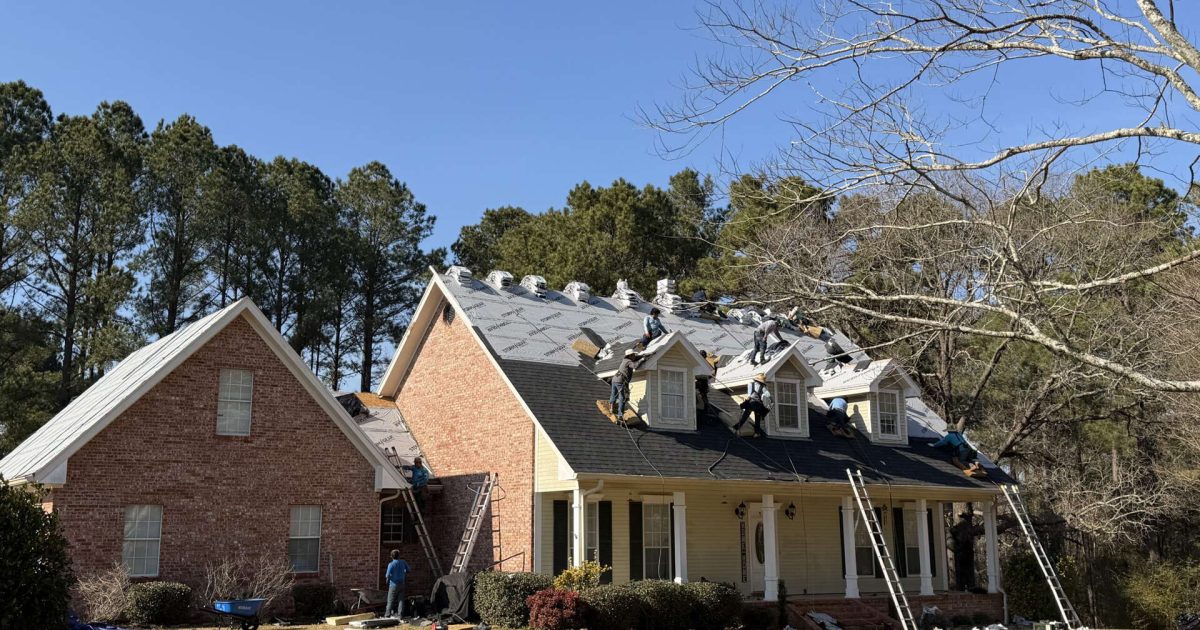
Mississippi Roof Insurance Claims: Your Complete Step-by-Step Guide to Getting Paid
Navigating Roof Damage and Claims in the Magnolia State
The Magnolia State is beautiful, but its charm comes with a side of formidable weather. From the Gulf Coast’s hurricane threats to the inland’s intense thunderstorms, Mississippi homeowners frequently face the daunting prospect of roof damage. When the inevitable storm hits and your roof sustains damage, the process of filing an insurance claim can feel overwhelming. Navigating this complex terrain requires knowledge, preparation, and a clear understanding of your rights. This guide provides a step-by-step roadmap to help you through the Mississippi roof insurance claim process, ensuring you receive the payout you deserve for necessary replacements and repairs.
The Unique Challenges and Weather Patterns for Mississippi Homeowners

Mississippi’s climate presents a unique set of challenges for homeowners’ roofs. The state is susceptible to a variety of severe weather events, each capable of causing significant damage. Tropical storms and hurricanes bring high winds and torrential rain, often leading to wind-driven rain infiltration, damage to roofing materials, and compromised flashing. Inland, severe thunderstorms are common, producing damaging hail that can dent and crack shingles, as well as powerful straight-line winds that can lift, tear, or completely remove sections of roofing. The sheer frequency and intensity of these events mean that roof integrity is a constant concern for Mississippians, making a well-understood insurance claims process essential.
Why a Step-by-Step Guide is Essential for Your Roof Insurance Claim
Without a clear understanding of the claims process, homeowners can easily feel lost, leading to delayed payouts, underpaid claims, or even denied claims. This step-by-step guide is essential because it demystifies the complex journey of filing an insurance claim for roof damage. It breaks down the process into manageable steps, from understanding your insurance policy to working with adjusters and finalizing repairs. By following this guide, you empower yourself with the knowledge needed to advocate effectively for your claim, ensuring a smoother experience and a more favorable outcome, ultimately helping you get paid for the damage your home has sustained.
Your Roadmap to a Successful Claim and Getting Paid
This guide serves as your essential roadmap to successfully navigating Mississippi roof insurance claims. We will cover everything from deciphering your insurance policy to documenting damage, interacting with insurance adjusters, understanding your settlement, and addressing potential disputes. Our goal is to equip you with the confidence and knowledge to achieve a fair payout for your roof repairs or replacements, protecting your most significant investment.
Understanding Your Mississippi Homeowner’s Policy & Roof Coverage
The foundation of any successful insurance claim lies in a thorough understanding of your homeowner’s policy. This document is your contract with your insurance company, outlining what coverage is provided and under what circumstances. Without this knowledge, you’re navigating the claims process blindfolded.
Deciphering Key Terms: ACV vs. RCV, Depreciation, and Deductibles
Several key terms in your insurance policy significantly impact your roof claim payout. Actual Cash Value (ACV) pays for the replacement cost of your roof minus depreciation. Replacement Cost Value (RCV), on the other hand, pays the full cost to repair or replace your roof with similar materials without deducting for depreciation, though it often involves a two-step payment process. Depreciation is the reduction in value of your roof due to age, wear, and tear. Your deductible is the amount you must pay out-of-pocket before your insurance coverage kicks in. Understanding how these terms apply to your roof damage is crucial for anticipating your payout. For instance, if your policy covers RCV, you can expect a larger payout for roof replacements, but it might come in installments after the initial depreciated amount is paid.
| Quick reference | ACV vs. RCV at a glance |
|---|---|
| ACV (Actual Cash Value) | Pays replacement cost minus depreciation. Older roofs receive less. |
| RCV (Replacement Cost Value) | Pays the full repair or replacement cost. The initial payout is ACV; the remainder is released after repairs. |
| Deductible | Your out-of-pocket amount before coverage applies. Typically 1% to 2% of your home’s insured value. |
What Your Policy Covers (and Doesn’t): Common Exclusions and Limitations
Most Mississippi homeowner insurance policies cover damage caused by sudden, accidental events like windstorms and hail. This typically includes damage to your shingles, underlayment, and decking. However, policies commonly exclude damage resulting from poor maintenance, lack of upkeep, wear and tear, or pre-existing conditions. If your roof is old and nearing the end of its lifespan, an insurance company might argue that the damage is due to age rather than a covered peril, potentially leading to claim disputes. It’s vital to review your policy for specific exclusions related to roof age or material type.
Proactive Steps: Reviewing Your Insurance Policy Before Disaster Strikes
The best time to understand your insurance policy is before you experience roof damage. Take the time to read your policy thoroughly, paying close attention to the sections on property coverage, deductibles, and exclusions. Note your coverage limits and understand whether you have ACV or RCV coverage for your roof. If you have questions, contact your insurance agent or provider directly. Documenting your coverage details and any clarification received can provide valuable support should a claim arise.
Identifying & Documenting Roof Damage: Building Your Indisputable Case
Once you suspect roof damage, prompt and thorough documentation is your most powerful tool in the insurance claim process. This evidence will form the basis of your claim and help support your case when working with your insurance company and their adjuster.
Recognizing Mississippi’s Common Roof Damage: Hail, Wind, and Water Infiltration
Common types of roof damage in Mississippi include hail impacts that can cause bruising, cracking, or granule loss on shingles. High winds can lift shingles, tear them off entirely, or damage flashing around chimneys and vents. Water infiltration, often a consequence of wind-driven rain or compromised seals, can lead to leaks inside your home, damaging ceilings and walls, and potentially causing mold growth. Recognizing these signs—from visible dents on shingles to interior water stains—is the first step in identifying the extent of the damage.
Immediate Safety Measures and Temporary Repairs
Your safety is paramount. If you notice significant damage, avoid going onto the roof yourself unless you are trained and equipped. If there’s an active leak, place buckets to catch water and try to protect your belongings. In some cases, temporary repairs, such as covering a gaping hole with a tarp, may be necessary to prevent further damage. Document any temporary repairs you undertake and keep receipts, as these costs may be reimbursable. Always prioritize safety; severe damage can compromise the structural integrity of your roof.
The Power of Proof: Comprehensive Damage Documentation
Thorough documentation is critical. Immediately after noticing damage, take clear, well-lit photos and videos. Capture close-ups of damaged shingles, including missing or lifted ones, and broader shots showing the overall roof condition. Include photos of any interior damage, such as water stains on ceilings or walls. Date and time-stamp all your documentation. Make detailed notes about when you first noticed the damage, what you believe caused it (e.g., a specific storm), and any steps you’ve taken. This extensive documentation is invaluable for presenting your insurance claim effectively.
Documentation Checklist: Don’t Miss These
Exterior Close-ups
Photograph damaged shingles, missing granules, dents, and lifted edges from multiple angles.
Wide Roof Shots
Capture the full roof from each side to show overall extent of damage.
Interior Evidence
Document water stains, ceiling damage, attic leaks, and any mold growth.
Date & Timestamp
Ensure every photo/video has a date. Note the storm event that caused damage.
Keep All Receipts
Save receipts for tarps, temporary repairs, and any emergency mitigation work.
Not Sure If Your Roof Qualifies?
TopCo provides free, honest inspections with zero obligation. We document damage using the exact criteria adjusters look for.
Schedule a Free InspectionInitiating Your Claim: The Mississippi Claims Process Begins
With damage identified and documented, the next crucial step is to formally notify your insurance company and begin the claims process. This proactive approach ensures your claim is handled efficiently and that you receive the necessary support from your insurer.
Contacting Your Insurance Provider: Filing the First Notice of Loss
Your first formal step in the insurance claim is to file a First Notice of Loss (FNOL) with your insurance company or agent. Most policies require you to report damage promptly. Gather your policy number and your documentation before you call. Be prepared to provide a clear and concise description of the damage, the date it occurred, and the circumstances surrounding the event (e.g., a specific storm). Keep a record of the date and time you filed the FNOL, as well as the name of the representative you spoke with.
Engaging a Reputable Mississippi Roofing Contractor for an Initial Assessment
It is highly recommended to involve a reputable Mississippi roofing contractor early in the claims process. A qualified contractor can provide an independent assessment of the roof damage, identify issues that an untrained eye might miss, and help create a detailed estimate for repairs or replacements. This estimate will be crucial for comparing against the adjuster’s assessment and for negotiating a fair settlement. Ensure the contractor you choose is insured, has local references, and has experience working with insurance company claims in Mississippi.
Working with the Insurance Adjuster in Mississippi
The insurance adjuster plays a pivotal role in your insurance claim. Their job is to inspect the damage, assess its cause, and determine the cost of repairs or replacements based on your insurance policy. Preparing for their visit and understanding their role is key to a successful outcome.
Preparing for the Adjuster’s Inspection
Before the adjuster arrives, have all your documentation organized and readily available. This includes your photos, videos, notes, and the estimate from your roofing contractor. If you have temporary repairs in place, ensure they are visible and well-documented. It’s also beneficial to have a clear understanding of your insurance policy terms, especially regarding coverage for roof damage, depreciation, and your deductible.
Understanding the Adjuster’s Role and Perspective
The adjuster works for the insurance company, tasked with evaluating the claim objectively. While they are professionals, their primary responsibility is to assess the damage against the terms of the insurance policy. They will look for evidence of covered perils and may look for signs of wear and tear or pre-existing conditions that could be excluded. Understanding this perspective helps you present your case more effectively.
The Importance of a Joint Inspection with Your Roofing Professional
Having your roofing contractor present during the adjuster’s inspection is highly beneficial. This allows your contractor to point out specific damage that may not be immediately obvious and to discuss their professional assessment and estimate directly with the adjuster. A joint inspection can lead to a more accurate evaluation of the damage and can help prevent disagreements down the line regarding the scope of work needed for replacements or repairs.
Receiving the Inspection Report and Initial Settlement Offer
After the inspection, the adjuster will compile an inspection report and typically present an initial settlement offer. This offer will outline their assessment of the damage and the proposed payout, usually reflecting their interpretation of your policy coverage, depreciation, and your deductible. Carefully review this report and offer.
Decoding Your Settlement Offer & Maximizing Your Payout
Receiving your insurance company’s settlement offer is a critical juncture. It’s essential to understand what the offer represents and to be prepared to negotiate if you believe it’s insufficient for the necessary replacements or repairs.
Analyzing the Settlement Offer: Is it Fair for Your Mississippi Roof Damage?
Your initial settlement offer will likely detail the cost of repairs minus depreciation and your deductible. Compare this amount to your contractor’s estimate. Are the material costs comparable? Has depreciation been applied appropriately? If your policy covers Replacement Cost Value (RCV), the initial offer will likely be the ACV amount. Understanding these components helps you determine if the offer accurately reflects the cost to restore your roof to its pre-loss condition.
Strategies for Negotiation: Getting Paid What You Deserve
If the settlement offer is less than your contractor’s estimate or what you believe is fair, don’t hesitate to negotiate. Present your detailed documentation, including photos and your contractor’s comprehensive estimate. Clearly articulate any discrepancies you find. If the adjuster missed damage or underestimated costs, provide evidence to support your claims. Maintain a professional demeanor and be persistent. Sometimes, a well-supported counteroffer is all that’s needed to adjust the settlement amount.
When to Consider a Public Adjuster in Mississippi
If you’re struggling to reach a fair settlement or believe your claim is being unfairly handled, you may consider hiring a public adjuster. Unlike company adjusters, public adjusters work solely for the policyholder, helping to assess damage, negotiate with the insurance company, and maximize your claim payout. They typically work on a contingency fee basis, taking a percentage of the settlement. This can be a valuable option if the damage is extensive or the negotiation process becomes particularly challenging.
Overcoming Claim Denials and Disputes in Mississippi
Despite your best efforts, insurance claims can sometimes be denied or disputed. Understanding common reasons for denial and the available recourse is crucial for effectively challenging an unfavorable decision.
Common Reasons for Claim Denial and How to Respond
Common reasons for roof claim denial include: the damage being attributed to wear and tear rather than a covered storm, insufficient documentation, or the damage falling under a policy exclusion. If your claim is denied, carefully review the denial letter from your insurance company. Gather any additional documentation or expert opinions that might counter their reasoning. You have the right to appeal the decision, and providing strong evidence is key.
Leveraging the Appraisal Clause: A Formal Dispute Resolution Process
Many insurance policy contracts include an appraisal clause. This clause provides a formal method for resolving disputes regarding the value of the damage. If you and your insurance company cannot agree on the scope or cost of repairs, either party can invoke the appraisal process. This involves each side selecting an appraiser, and if they cannot agree, an umpire is brought in to make a final decision on the payout amount.
Seeking Legal Counsel: When to Consult an Insurance Lawyer in Mississippi
If your claim is denied, you’ve exhausted negotiation options, or you suspect bad faith from the insurance company, it may be time to consult with an insurance lawyer in Mississippi. An experienced attorney can review your policy, assess your situation, and guide you through the legal complexities of pursuing your claim. They can provide support and represent your interests to ensure you receive the compensation you are entitled to.
Completing Repairs and Finalizing Your Claim
The final stages of the claims process involve securing your home through repairs and ensuring your claim is officially closed out. It’s important to manage this phase carefully to ensure the work is done correctly and all payments are finalized.
Once you have a satisfactory settlement and have chosen a qualified contractor, the repair or replacement work can begin. Ensure you have a clear contract with your chosen roofing contractor detailing the scope of work, materials, timeline, and payment terms. If your insurance company issued a check that requires your mortgage lender’s endorsement, you’ll need to coordinate with your lender. After the repairs are completed to your satisfaction, confirm with your insurance company that all necessary documentation has been submitted to finalize the claim and receive any remaining funds.
Final Thoughts
Navigating Mississippi roof insurance claims after storm damage can be a stressful experience, but it doesn’t have to be an insurmountable one. By thoroughly understanding your insurance policy, meticulously documenting damage, promptly initiating the claims process, and working effectively with your adjuster and chosen contractor, you significantly increase your chances of a successful outcome. Remember that your insurance policy is a contract designed to protect your home, and you have the right to fair treatment and compensation for covered damage. Be prepared, be persistent, and don’t hesitate to seek support from professionals when needed. This step-by-step approach will empower you to secure the necessary funds for your roof replacements and repairs, ultimately protecting your property and peace of mind in the Magnolia State.
Ready to Stop Worrying About Your Roof?
With a 98% insurance claim approval rating, TopCo handles everything, from inspection to installation, at zero out-of-pocket cost.
Call 601-543-4687