
Construction Loans for a New Roof: A Smart Guide to a Loan for Building Construction
A roof can represent a significant part of the cost of a new home, garage, workshop, or major addition. When roofing forms part of a wider building project, a loan for building construction may help finance the work alongside framing, foundations, utilities, and other construction costs.
A standalone roof replacement is different. Replacing an existing roof does not automatically make the project eligible or appropriate for a construction loan. Depending on the homeowner, project, and lender, options such as home equity financing, a HELOC, renovation financing, personal lending, or contractor-arranged financing may be more suitable.
When a Loan for Building Construction Can Include Roofing
Construction financing makes the most sense when the roof is one stage of a larger project rather than the entire project itself. Examples include a new home, detached garage, backyard workshop, or a substantial addition that creates a new roofline.
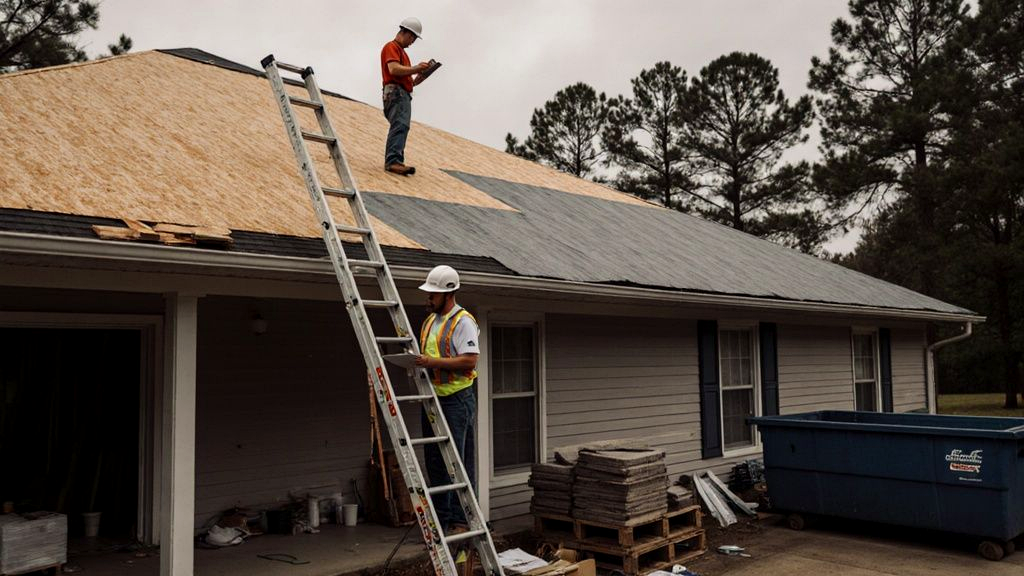
These projects can involve multiple trades, plans, permits, inspections, and staged payments. Roofing may be completed after framing and decking are ready and before later interior work can proceed. TopCo’s new-construction roofing services include coordination with builders and other trades so the roofing portion fits the wider project schedule.

A premium roof replacement may still cost tens of thousands of dollars, but price alone does not turn replacement work into new construction. Removing an old roof and installing new shingles, metal panels, decking, underlayment, or flashing is generally renovation or replacement work unless it forms part of a broader construction project.
Construction Loans vs. Other Roof Financing Options
The right financing depends on what is being built, how much equity you have, how certain the project price is, and the terms available from individual lenders. Homeowners should compare more than the monthly payment before committing.
| Financing Option | Common Use | Important Consideration |
|---|---|---|
| Construction loan | New homes, additions, garages, workshops, and major building projects | Funds may be released through staged draws as construction progresses. |
| Home equity loan | Defined renovation or replacement costs | Usually provides a lump sum secured against available home equity. |
| HELOC | Projects with costs occurring at different stages | Provides a revolving credit line and commonly carries a variable interest rate. |
| Cash-out refinance | Larger home improvement funding | Replaces the existing mortgage, so the new rate, closing costs, and total repayment matter. |
| FHA 203(k) | Eligible home purchase, refinance, and rehabilitation projects | Roofing can qualify, but FHA, lender, property, and project requirements apply. |
| Personal or contractor financing | Standalone roof replacement or smaller projects | Rates, fees, repayment periods, and qualification requirements vary. |
Construction financing
A true construction loan is designed around building work that develops over time. Instead of receiving the entire approved amount as unrestricted cash at closing, borrowers may access the financing through advances or draws tied to the construction schedule.
Some construction loans later convert into permanent mortgage financing. Others cover only the construction phase and require separate permanent financing after completion. Terms differ substantially between lenders, so borrowers should confirm the draw procedure, interest calculation, fees, inspection requirements, and conversion terms before signing.
Home equity loans and HELOCs
A home equity loan normally provides a defined lump sum based partly on available equity in the property. Many products use fixed rates, although adjustable-rate home equity loans also exist. A HELOC works differently by providing a revolving line of credit that can be drawn against during an agreed period.
The Consumer Financial Protection Bureau provides useful guidance for comparing home equity loans and HELOCs before homeowners speak with lenders.
FHA renovation financing
The FHA Section 203(k) program can allow eligible borrowers to finance qualifying rehabilitation work as part of a home purchase or refinance. Roofing is among the types of improvements that can qualify under the program, although lender, borrower, property, and project requirements still apply. Homeowners considering this option should review current HUD 203(k) requirements with an approved lender.
Roofing-company financing
For a straightforward replacement, contractor-arranged financing may be simpler than using a full construction loan. TopCo advertises financing options for qualifying roofing projects, allowing homeowners to compare those terms with other borrowing options before deciding how to pay for the work.

How Construction Loan Draws and Inspections Work
One major difference between construction financing and a standard lump-sum loan is how funds may be released. Construction lenders commonly divide approved financing into advances or draws that correspond with progress on the overall building project.
Depending on the lender and loan program, a draw may require an inspection or another form of progress verification before additional money is released. The goal is to confirm that the work supporting the requested payment has actually been completed.
On a new-build project, roofing may fall within wider milestones such as framing, dry-in, exterior completion, or another stage defined by the builder and lender. The roofing contractor does not determine the lender’s draw schedule.
This makes coordination important. TopCo’s new-construction process includes scheduling work with builders and other trades and confirming that the roof deck is ready before installation begins. Borrowers should separately confirm who will request draws, provide progress documents, arrange lender inspections, and approve any changes to the original construction budget.
What Lenders May Require Before Approving the Project
Construction lending can involve more documentation than ordinary consumer financing because the lender is funding work that has not yet been completed. Exact requirements vary, but several areas commonly form part of the application and project review.
Credit and repayment history
Lenders generally review the borrower’s credit profile, payment history, and other information used to assess lending risk.
Income and existing debts
Income, current financial obligations, and the borrower’s ability to handle the proposed payment may be reviewed during underwriting.
Equity or down payment
Home equity financing relies on available equity, while construction loans can have separate down-payment and loan-to-value requirements.
Appraisal and project value
Some construction and renovation loans use an appraisal that considers the property’s expected value after approved work is completed.
Plans, estimates, and contractor documents
Lenders may request plans, permits, contracts, construction schedules, estimates, contractor details, and proof of appropriate insurance or licensing.
Mississippi roofing licensing matters
Mississippi licensing thresholds need to be handled carefully. According to the Mississippi State Board of Contractors, residential roofing or remodeling work over $10,000 requires the appropriate Residential Remodeling or Roofing license. New residential building work over $50,000 requires a Residential Builder license.
TopCo identifies itself as carrying Roofing & Remodeling License No. R22228 and insurance coverage. Lenders can still impose additional contractor, insurance, appraisal, documentation, or project-approval requirements beyond the state’s licensing rules.
How to Get a Roofing Project Loan-Ready
Homeowners can reduce unnecessary delays by defining the scope before applying for financing. The goal is to give both the contractor and lender a clear understanding of what will be built, what it should cost, and how changes will be handled.
Get a detailed written estimate
Ask for a clear scope covering the roofing materials, labour, tear-off where applicable, decking allowances, underlayment, flashing, installation, and cleanup.
Confirm plans and permits
New buildings and structural changes may require plans, engineering, permits, or other approvals depending on the project and local jurisdiction.
Plan for hidden conditions
Roof work can uncover damaged decking or other concealed problems. Ask how unexpected work will be documented, approved, and funded before construction begins.
Choose financing that matches the job
A basic replacement rarely needs a full construction loan, while a ground-up project may require financing designed specifically around staged building work.
Vet the roofing contractor
Confirm licensing, insurance, scope, warranties, experience, references, and the contractor’s ability to coordinate with the builder and other trades where required.
Our guide to finding a quality construction company near you covers more of the contractor-selection checks worth making before money and construction schedules are committed.
Is Financing a New Roof Worth It?
Financing can make necessary construction or roofing work possible without requiring the full cost upfront, but borrowing still creates interest, fees, and repayment obligations. The right decision depends on the urgency of the work, available savings, insurance coverage, project scope, borrowing terms, and the homeowner’s wider financial position.
Compare more than the advertised monthly payment. Review the annual percentage rate, fees, total amount repaid, loan term, collateral requirements, and what happens if construction costs change. A $15,000 standalone roof replacement and a roof included within a complete new home build should not automatically be financed in the same way.
Project timing also differs. TopCo states that many standard residential roof replacements can be completed in a single installation day, while new-home roofing generally takes around one to two days depending on roof size and complexity. For construction projects, the roofing work also has to fit the builder’s broader schedule.
Planning a Major Roof Project?
TopCo provides roof inspections and detailed estimates throughout the Mississippi Pine Belt and South Mississippi. If financing is part of the project, confirm your lender’s documentation requirements before construction begins.
Schedule Your Free Inspection